

Joseph Daher — This is the most significant conflict between Israel and Iran to date, and one that sets a precedent for even greater hostilities in the future.
Palestine

Gilbert Achcar — The best “solution” that could result from the Zionist ongoing genocidal war is worse than what existed before it, and certainly worse than what appeared on the horizon following the Oslo deal.

This May Day and Nakba Day, we, the Palestinian General Federation of Trade Unions - Gaza, urgently appeal to our brothers and sisters in the international trade union movement to take a stand in solidarity with Palestine.

All across the country, students are rising up against Israel’s genocidal war. Caitlyn Clark provides a report from the week in New York City, plus how to bring in organized labor.
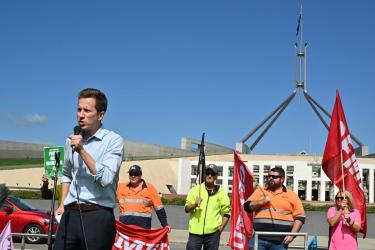
Max Chandler-Mather reflects on the Brisbane Greens community-based strategies, along with broader issues such as Palestine and last year’s referendum on an Indigenous Voice to Parliament.
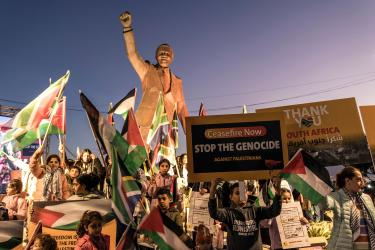
Robin DG Kelley — The UN’s failure to dismantle the colonial order foreclosed the application of the Genocide Convention to Israel, South Africa, and the United States.
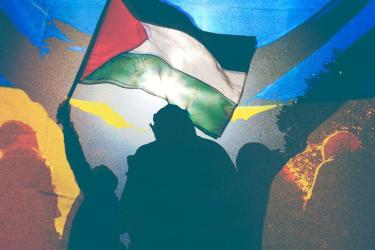
Adib Shaheen explains how the struggle for a just future and the support of peoples resisting aggression and repression are the same struggle.
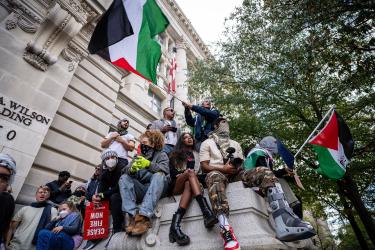
Hadas Thier — Global outrage over Israel’s attacks on Gaza has produced a broad-based mass movement never before witnessed on the question of Palestine.
Gilbert Achcar — Israel will complete its genocidal war against Gaza for six before directing its military efforts against Iran and Hezbollah.
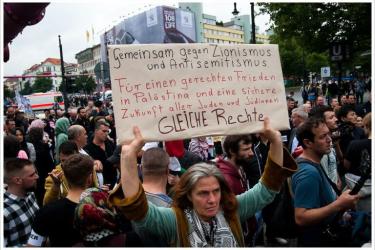
Bue Rübner Hansen explores Germany's embrace of racist policing, the anti-Muslim alliance between the German and Israeli right, and the cancellation of Palestinian voices and Jews who object to mass murder.
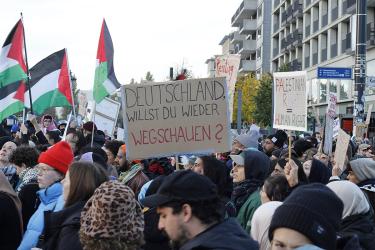
Bue Rübner Hansen explains the historical background for the idea that Germany’s atonement for the Holocaust is essentially connected to support for the state of Israel.
Socialist Alliance condemns Israel and its Western allies, including Australia, for their role in escalating conflict in the Middle East.