revolutionary organisation

A manual for how the left can fail to agree
Alberto Garzón looks at why parties that share 90% of a programme still can’t share a ticket, and why the problem starts with all of us.
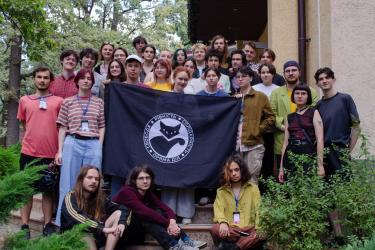
‘People, not generals, win wars’: Independent student organising in Ukraine
Dzvinka and Aistra discuss Priama Diia’s (Direct Action) powerful example of organising for social and economic justice in wartime Ukraine.

Sam Gindin on the contemporary crisis of legitimacy, the importance of revitalizing organized labor, and the generation-defining project of organizing Amazon.
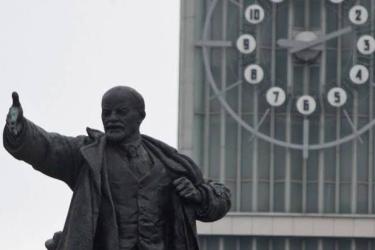
Lenin and the politics of broken time
Far more than a form of discipline and centralisation, Lenin’s guiding idea targets what he calls the “disorganising” confusion between party and class, contends Daniel Bensaïd.
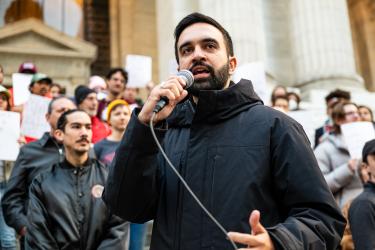
Trumpism, Mamdani and the revolutionary party we need
Paul Le Blanc responds to criticism of his recent text on the situation in the United States, “Defining Trumpism, defeating Trump”.
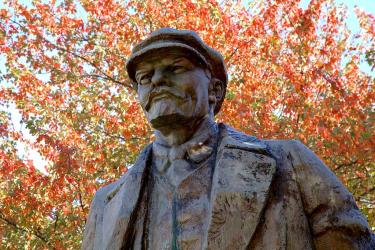
Far from saying “goodbye” to Lenin’s legacy, we should confront and renew it. Lenin and his comrades offer too much of value to do otherwise, writes Paul Le Blanc.
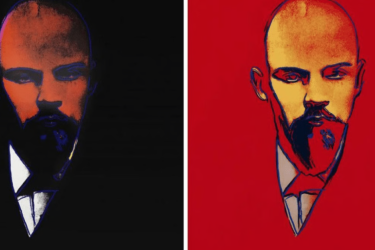
Many of today’s Leninisms have little to do with Lenin’s writings, but their histories can help us better understand the distortions, errors and genius in Lenin’s legacy, writes Mark Baugher.
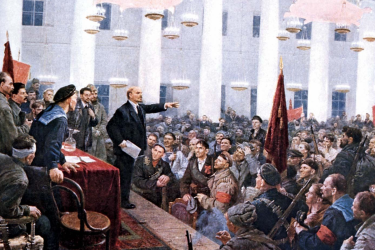
Lenin, moral liberalism and the voluntarist premise
Leninism is not perfect nor should it be copied mechanically, but abandoning it for vague principles — as Dan La Botz proposes — leaves us without tools to confront the realities of power, contends Antony Teso.

Lenin versus democracy: A reply to critics of ‘Goodbye to Lenin and Leninism’
Responding to his critics, Dan La Botz argues that Lenin’s decisions not only proved incapable of defending and advancing a democratic socialist revolution but contributed to the revolution’s failure.
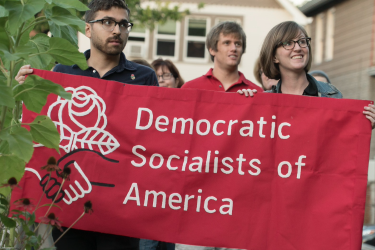
Against the tribunal left: DSA, moralism and the problem of socialist discipline
Fights inside the Democratic Socialists of America over “cancel culture,” “political correctness” and “call-out culture” are not side dramas. They are symptoms of a deeper organisational sickness, argues Anthony Teso.
Trade unions, mass organisations and the left: From historical necessity to reassessment and renewal
The past decades have witnessed fundamental transformations in the way people think and organise, which the left cannot afford to ignore, writes Rezgar Akrawi.

Class struggle today: Fragmentation and the crisis of political form
The problem facing the left is not the absence of class antagonism but the absence of forces capable of organising it. If we fail to confront the question of political form, mobilisation will continue to substitute for class, writes Sushovan Dhar.