Lenin

Benjamin Bürbaumer discusses why capitalism leads great powers to resort to coercion, how Western Europe became integrated into US capitalism, and whether China could displace a declining US with a new Sino-centred capitalism.
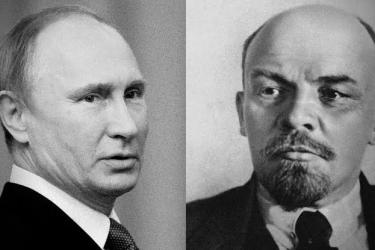
Ukraine and Putin’s Great Russian chauvinism against Lenin
Why does Putin accuse Lenin of having “created Ukraine”? Behind this statement lies far more than a mere dispute amongst historians, writes Eric Toussaint.

Lenin and the politics of broken time
Far more than a form of discipline and centralisation, Lenin’s guiding idea targets what he calls the “disorganising” confusion between party and class, contends Daniel Bensaïd.

Far from saying “goodbye” to Lenin’s legacy, we should confront and renew it. Lenin and his comrades offer too much of value to do otherwise, writes Paul Le Blanc.
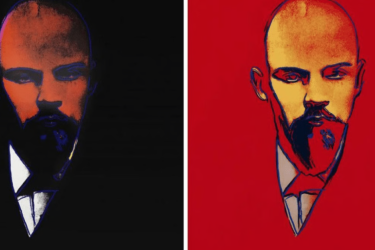
Many of today’s Leninisms have little to do with Lenin’s writings, but their histories can help us better understand the distortions, errors and genius in Lenin’s legacy, writes Mark Baugher.
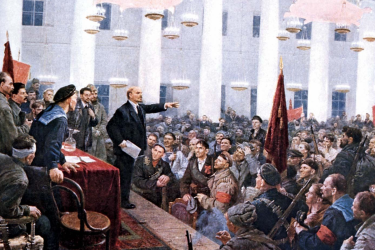
Lenin, moral liberalism and the voluntarist premise
Leninism is not perfect nor should it be copied mechanically, but abandoning it for vague principles — as Dan La Botz proposes — leaves us without tools to confront the realities of power, contends Antony Teso.

Lenin versus democracy: A reply to critics of ‘Goodbye to Lenin and Leninism’
Responding to his critics, Dan La Botz argues that Lenin’s decisions not only proved incapable of defending and advancing a democratic socialist revolution but contributed to the revolution’s failure.
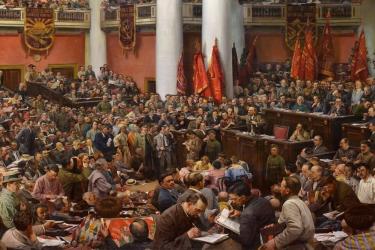
The rise and fall of ‘Leninism’
Whether you are “for” or “against” “Lenin” and “Leninism,” John Marot contends that discussing these in their historical context is essential to gaining a better understanding of the issues.

Paul Le Blanc engages in a critical dialogue with Dan La Botz’s “Goodbye to Lenin and Leninism,” arguing we should continue to learn critically from Lenin’s experiences, successes, shortcomings, mistakes and unfinished tasks.
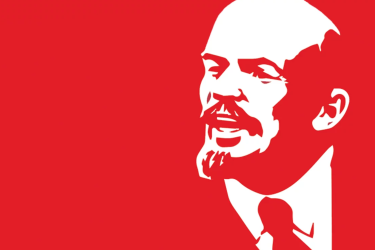
Lenin, democracy and the anti-Leninist shortcut
Responding to Dan La Botz’s “Goodbye to Lenin and Leninism”, Anthony Teso writes that what we need is neither a Lenin cult nor an anti-Leninist shortcut that confuses renunciation with strategy.

Leninists seldom asked themselves: if Lenin was always right, why did things go so wrong in Russia? Dan La Botz argues it is time to say goodbye to Lenin and Leninism.

Lenin and today’s socialist struggle in the United States
Paul Le Blanc shares some thoughts on Leninism, democratic centralism, party organization and related matters for today’s socialist struggle.