far right
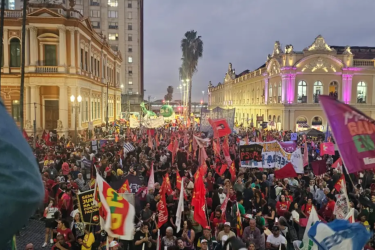
Brazil: We must confront Bolsonaro’s supporters in the streets and at the polls
The Socialist Left Movement argue there is no middle ground in Brazil’s elections: either Lula wins or Brazil has its worst government ever, creating a dangerous situation.
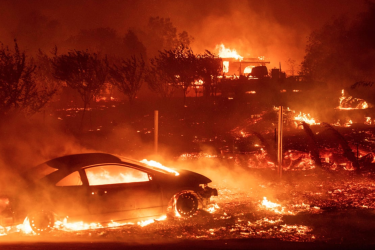
Fires, floods and heatwaves are warning signs of a social order whose pursuit of endless accumulation is colliding with ecological limits, contends Phil Hearse.
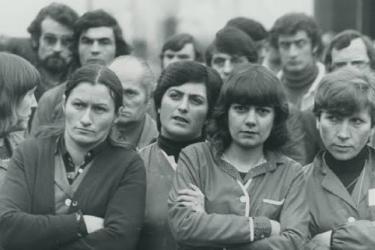
When workers resisted deindustrialisation
Romain Castellesi discusses the nature of struggles against deindustrialisation in France and the importance of working class history and memory in the face of economic crisis.

DSA’s Ella Teevan: ‘Socialism has broken containment in the United States’
Ella Teevan discusses the US midterms, how the Democratic Socialists of America can build on its successes, and challenging US imperialism and President Donald Trump’s far-right agenda.
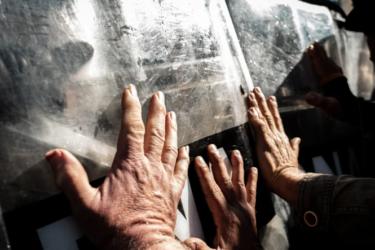
Defeating Milei: Left strategy in times of reaction
A socialist policy that merely defines or denounces the far right falls short of the task, writes Martín Mosquera.

The ecosocialist alternative: An interview with Sabrina Fernandes
Sabrina Fernandes puts the case for ecosocialism, notes some of its important contributions to modern Marxist theory, and explains why we need an eco-territorial internationalism.
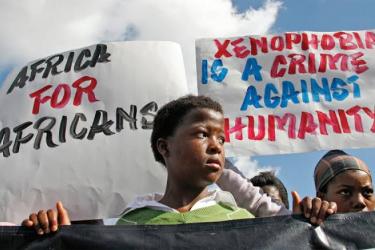
South Africa’s shifting political terrain
The arrival of uMkhonto weSizwe, March and March and allied groups on the political stage is not just a matter of new forces emerging — it is part of an ongoing and rapid reconfiguration of the field, argues Richard Pithouse.
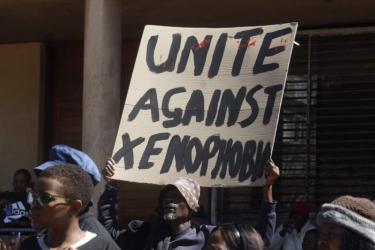
March separately, strike together: Xenophobia, working-class fragmentation and strategic crossroads
The fight against xenophobia cannot be separated from rebuilding working-class organisation, write Rehad Desai and Luke Sinwell.
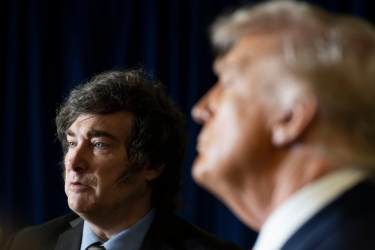
The new frontyard: Why Latin America has become the playground for imperial and fascist experiments
William Callison and Verónica Gago unpacking Trump's end game in Latin America.
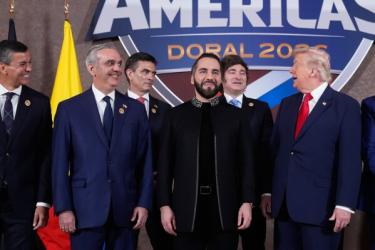
The dark shadow spreading across Latin America
Trump and the global far right have made serious progress in Latin America. The next big battle against this neofascist wave has already begun in Brazil, writes Ana Cristina Carvalhaes.

Colombia and Latin America: A new stage of the struggle
Far right politician Abelardo de la Espriella will soon be sworn in as president, but Colombia is far from being under the control of the United States, reports Ted Zuur.

Algorithms of control and the politics of digital liberation
Rezgar Akrawi sketch out the contours of a left-wing vision of digital liberation, addressing this struggle’s most important fronts.