Cuba
Reminiscences of Nelson Mandela and the US anti-apartheid movement

Ike Nahem at the memorial for Soweto martyrs.
Uncle Sam's UN blues: Washington's anti-Cuba policy isolated -- again

Voting board for the 2012 General Assembly 2012 on resolution calling for an end to the economic, commercial and
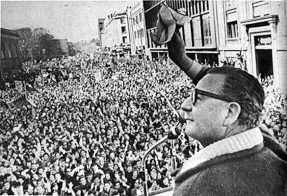
The legacy of Chilean socialism and Salvador Allende
For more on Chile click HERE.
By Roger Burbach
September 11, 2013 -- Futuresocialism.org -- The coup d’etat by General Augusto Pinochet in Chile on September 11, 1973, transformed the history of socialism. Almost a thousand days before, Salvador Allende and the Popular Unity coalition had taken office promising a “Chilean Road to Socialism” based on democratic principles. The government launched an agrarian reform program, recognised the right of workers to take over factories and run them collectively, took control of most of the country’s banks and expropriated multinational corporations like Kennecott and ITT, all within the framework of the Chilean constitution.
PDF version of Marta Harnecker's: 'Instruments for doing politics'

September 8, 2013 – Links International Journal of Socialist Renewal – This is the PDF versi
New pamphlet by Marta Harnecker: 'Instruments for doing politics'
The above series of videos in Spanish by Marta Harnecker are what the pamphlet below is based o
Latin America, Cuba: Against the attack on the Syrian people, no more deaths and lies
Cuba: Statement of the Ministry of Foreign Affairs on Syria
Havana, August 28, 2013 – The Ministry of Foreign Affairs of the Republic of Cuba issued the following statement regarding the growing threats against Syria. The rece
Latin America’s progressive governments: origins, nature and challenges

By Pablo Stefanoni, introduction by Richard Fidler