India
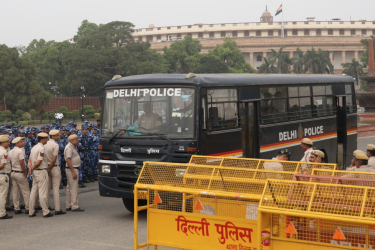
The Indian state wages war on its citizens
Modi's government has clamped down on a democratic rights protest in New Delhi with tens of thousands of arrests. Kunal Chattopadhyay looks at how people are fighting back.
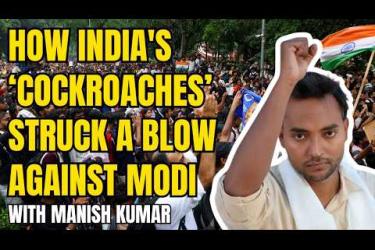
Manish Kumar discusses the recent powerful expression of youth dissent against the Narendra Modi government and next steps for the Cockroach movement.
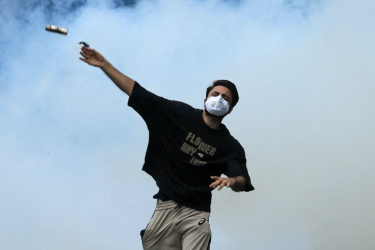
The Cockroaches: A new insecure class in struggle
The cockroach movement’s great structural strength was also its great vulnerability, contends Sankha Subhra Biswas.
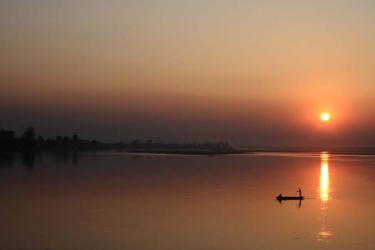
Silence before the storm in northeast India
Assam is not currently at war. But, as Maharnav Bhuyan writes, the ingredients that produced its last war are all present in a more advanced form.
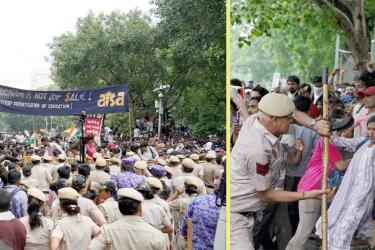
India: When the streets came alive with new hope and people’s people
The people of India have suffered enough. They now demand answers and accountability, reports Dipankar Bhattacharya. Plus statements by Communist Party of India (Marxist-Leninist) Liberation.

Who inherits the Gen Z uprisings?
Gen Z revolts have learned to topple governments. The question of who succeeds them has barely been posed, writes Sushovan Dhar.

Resistance, renewal and the future of the INDIA bloc
The INDIA bloc needs a new impetus rooted in democratic resistance, unity, humility and renewed political purpose, argues Dipankar Bhattacharya.
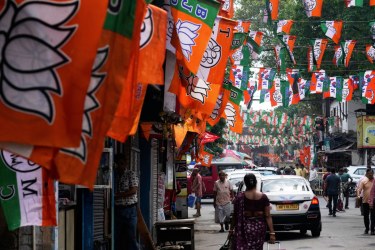
India: When democracy erases its own citizens
For 9 million people in West Bengal, the electoral voting machines will not open writes Sandip Nayak. Their silence will be counted as absence. And that manufactured, deliberate and meticulously engineered absence will be called democracy.
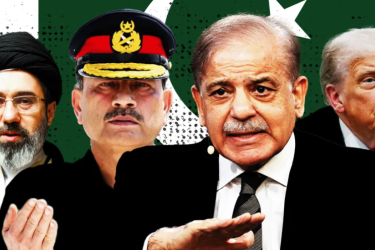
Pakistan: How a regional warmonger came to host US-Iran peace talks
Farooq Sulehria — Pakistan may seek to play the role of peacemaker globally but regionally it acts as a warmonger.
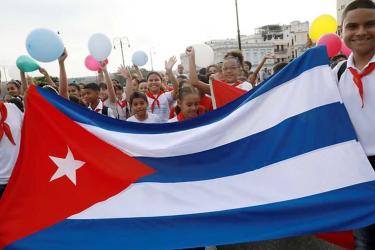
Joint declaration: South Asia stands with Cuba against the blockade!
We, the undersigned Communist, workers’, and left-wing parties of South Asia, issue this collective call in firm and unwavering solidarity with the government and people of Cuba.
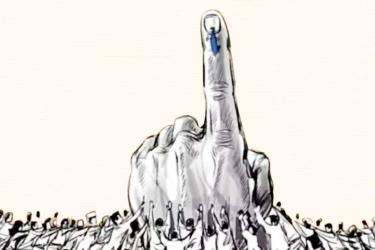
Communist Party of India (Marxist-Leninist) Liberation — For defenders of democracy and the Constitution, the Assembly elections must be taken up as an anti-fascist platform of political mobilisation.
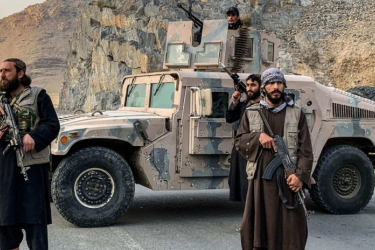
Afghanistan–Pakistan war, militarism and a left response to the regional crisis
Farooq Sulehria argues that the current confrontation reflects a deeper crisis of the regional order — one whose costs will be borne overwhelmingly by working people on both sides of the border.