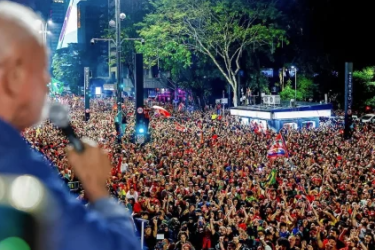
Lula’s extraordinary victory in Brazil
Lula’s re-election in Brazil is the most important defeat for the far right in recent times, and its impact will be felt worldwide, writes Iain Bruce.

André Singer on the pendulum swing of Brazilian elites between authoritarianism and democracy.

A dangerous liaison looms in Québec
The PQ’s return to power raises the prospect of a right-wing alliance, renewed austerity, and difficult choices for the left, write Andrea Levy and André Frappier.

Down but not out, Québec solidaire must repurpose its role
Richard Fidler introduces two articles by Parti de la rue members critically analyzing the challenges ahead for Quebec working people and Québec solidaire after the October 5 election result.
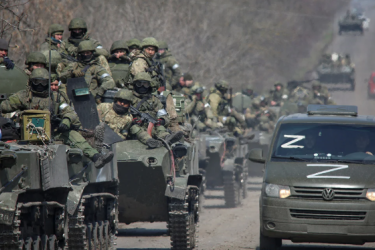
Russia’s peripheral imperialism: Class, ideology and war
Dmitry Pozhidaev contends that a state subordinately integrated into global capitalism can exercise imperial power over weaker neighbours, with Russia exemplifying this combination as an empire of the periphery.
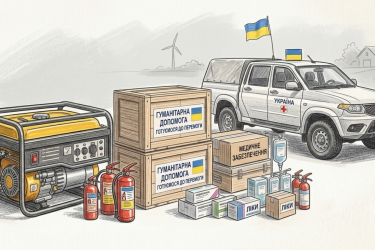
‘With the International Solidarity Convoy to Ukraine, we are rebuilding internationalism’
Alfons Bech discusses the goals and organisation of the International Solidarity Convoy to Ukraine.
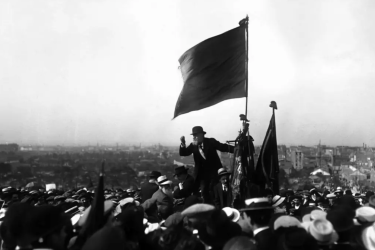
The Left: A fundamental historical ambiguity
To rebuild a project for the radical transformation of society, it is necessary to deconstruct what is meant by “the Left,” writes François Sabado.

Venezuela: From revolution to recolonization
Lucas Koerner and Ricardo Vaz examine the Venezuelan leadership’s capitulation before US imperialism, historical precedents and long-term implications.

Students shut down French high schools in the face of class and racial oppression
Beginning in the banlieues, France’s student revolt has become national in scope, taking on economic and racial oppression as well as police brutality, writes Kevin B Anderson.
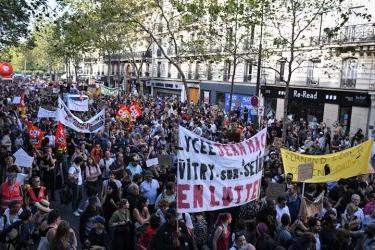
Student uprising in France: An interview with Basile Copin from La France Insoumise Youth
Basile Copin discusses France’s student uprising, which beyond demands relating to education, has started to take a stand against neoliberal and far-right policies.

A manual for how the left can fail to agree
Alberto Garzón looks at why parties that share 90% of a programme still can’t share a ticket, and why the problem starts with all of us.
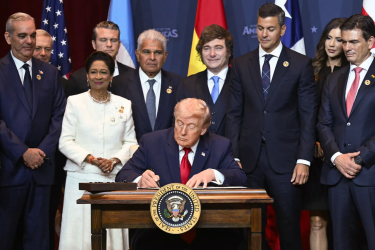
Trumpism and Latin America’s new right governments
While the far right surge can be seen as a response to the earlier leftward turn in Latin America, it also represents a genuine turning point, writes Eduardo Lucita.